
New York band – consisting of vocalist and guitarist David Byrne, drummer Chris Frantz, bassist Tina Weymouth, and guitarist and keyboardist Jerry Harrison – were just known for making nervy art-rock. Now, they’re perhaps one of the most culturally significant bands to date. From navigating the New Wave era to laying down some of the most interesting concepts to tape, Talking Heads are influential in every sense of the word. From their career-highs to those inevitable lows, we take a look at Talking Heads: worst albums to best.
8. Naked (1988)
Their eighth and final studio album, Naked 1988 emerges – rather stumbles – into the start of the list here. Its theme of primal sex delivers a somewhat bloated record with clunky lyricism. Rhythmic reviver of (Nothing but) Flowers delivers some promise but otherwise reflects a time for the band when the wheels were beginning to fall off. And so, this would become the last studio record for the group as they would split a mere three years later.
7. True Stories (1986)
Their seventh record True Stories saw the group delve into more a pop-rock attitude with mixed results. There’s obviously a pattern with bands running out of ideas the more records they put out – and the same can be said for Talking Heads here. For band that were pushing boundaries for the past decade prior to this record, it’s evident that Bryne and company began to run out of road. Distorted guitar and blaring horns on Love for Sale make up for an enthusing start, as does the humble American life on Wild Wild Life tell, but it’s sandwiched in-between a lot of bland. Some argue that this may be Talking Heads’ most tasteless and uninspired record they ever put out – and it’s hard not to disagree.
6. Talking Heads ’77 (1977)
This jolting self-titled debut saw the hall-markings of a band still in their infancy. At their most feverishly raw, Talking Heads ’77 sets the precedent for things to come: a bohemian collective brimming with ideas. The record also features their first charting single, Psycho Killer – an otherwise unnerving song that has become a cultural phenomenon far bigger than its four-minute runtime. Steel drum romp Uh-Oh, Love Comes to Town and Happy Day emerge as stand-outs but it is let down by its production peak and lack of stand-out melody lines.
5. More Songs About Building and Food (1978)
The bands’ second ground-breaking record saw prolific change-ups from their debut just a year before. Recorded in the tropical Bahamas, More Songs About Building and Food sees the first introduction to the team-up of Talking Heads and Brian Eno that would flourish for many years to come. A richer tone production-wise, the record also took a harder edge compared to their more free-flowing debut. The unorthodox lyricism and brazen New Wave workings-out gave it accommodation for a band beginning to ooze with confidence. Jaunty Found a Job became a firm placeholder for their CBGB residency as did The Big Country. It’s hard to mention this record without the bands’ cover of Al Green’s Take Me to the River, a perfectly fitting addition for a band who adored funk through and through. A vast leap in quality, More Songs About Building and Food forever remains as one of the most underrated Talking Heads records.
4. Fear of Music (1979)
One of their most foreboding and complex records to date, their third stellar record arrives from Long Island full of vigour and amazingly, even more sonic polarity than the previous. Another pivotal shift in a genre that ever bends to the whims of this band, ’79’s Fear of Music is a compartmentalised disco break down amongst the muddy plains of tribal trepidation. Oh, you’re dancing – but its not without warning. With Eno now firmly seated at the desk chair, this textured and deeply layered record is an effortless doozy of a group reaching flow state – opener I Zimbra and Life During Wartime being loud reminders of this. Forked guitars, eerie synth warbles and dry lyricism all ring out in his created otherworldly world no one wants to be a part of.
3. Little Creatures (1985)
Outliers of their own making to a genre they’re pioneered, a shake-up was evidently in order in 1985. Enter: Little Creatures. An embracing relax away from the world of avant-garde, their sixth record saw them take on melodic Americana pop. In a career spanning five LPs each unpredictable than the last, Little Creatures saw the band embrace the spongey amongst their more spikier appearance. In a strange twist of fate, we now have Byrne here celebrating the beauties of normal life – things he used to fear and alienate as an art school kid. And yet, it works. Talking Heads see them embrace adulthood via a sophistically polished pop record that, amongst the barbed bumps of previous releases, is surprisingly welcoming. Grounded opener And She Was is a delightful whimsy while one-man marching band triumph Road to Nowhere sees us take a trip down memory lane. Little Creatures is certainly one record to remember.
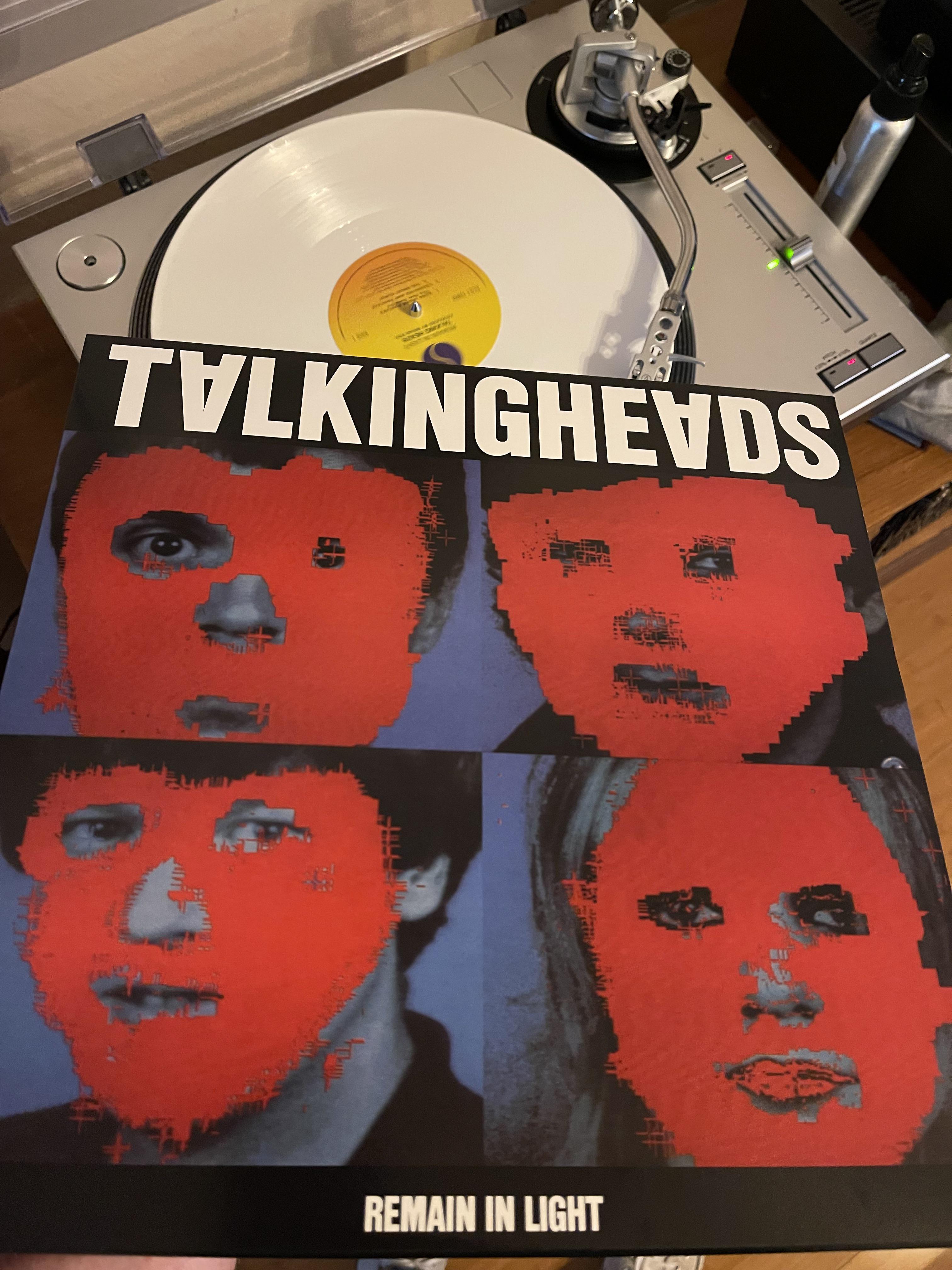
2. Remain in Light (1980)
The start of a new decade saw Talking Heads bridge the gaps from previous project into a giant, cohesive whole. Their fourth Remain in Light, released in October 1980, sees the collective four reach further into the light to pull out a blinding sonic experience that’s been unlike anything since. Arguably, the turn of a new decade saw the New Wave progressionists hit their peak. Simply put, the instrumentals here are just so irresistible. A true complement to Byrne’s offbeat wordplay, there’s a story to be told here and its worth the near hour-long runtime to see it through.
Songs like “Once in a Lifetime” and “Houses in Motion” saw tribal-like rhythmic incantations feature in a textural delight. Rightly so, “Once in a Lifetime” would go on to be named as one of the 100 most important American musical works of the 20th Century. It’s not just the singles that stand out either. This deeply-layered tapestry hopped from one culture to the next in an effort to fulfil Eno’s prophecy of “fourth-world music”. In many ways, he was right on the money. It’s neither here or there. Square peg in a round hole, Talking Heads make up their own rules.
Remarkably, there was frivolous amounts of tension in the band when they were recording this album. The kind to surmise perfection (Fleetwood Mac’s Rumours comes to mind), this album teeters magically on that knife edge.
Recorded in the Bahamas with fifth head Brian Eno, the album – made up of mostly taxing tape-length instrumental jams – may just be their most adventurous work yet. A jam-turned-magic, Remain in Light remains as their most beautifully absurd.
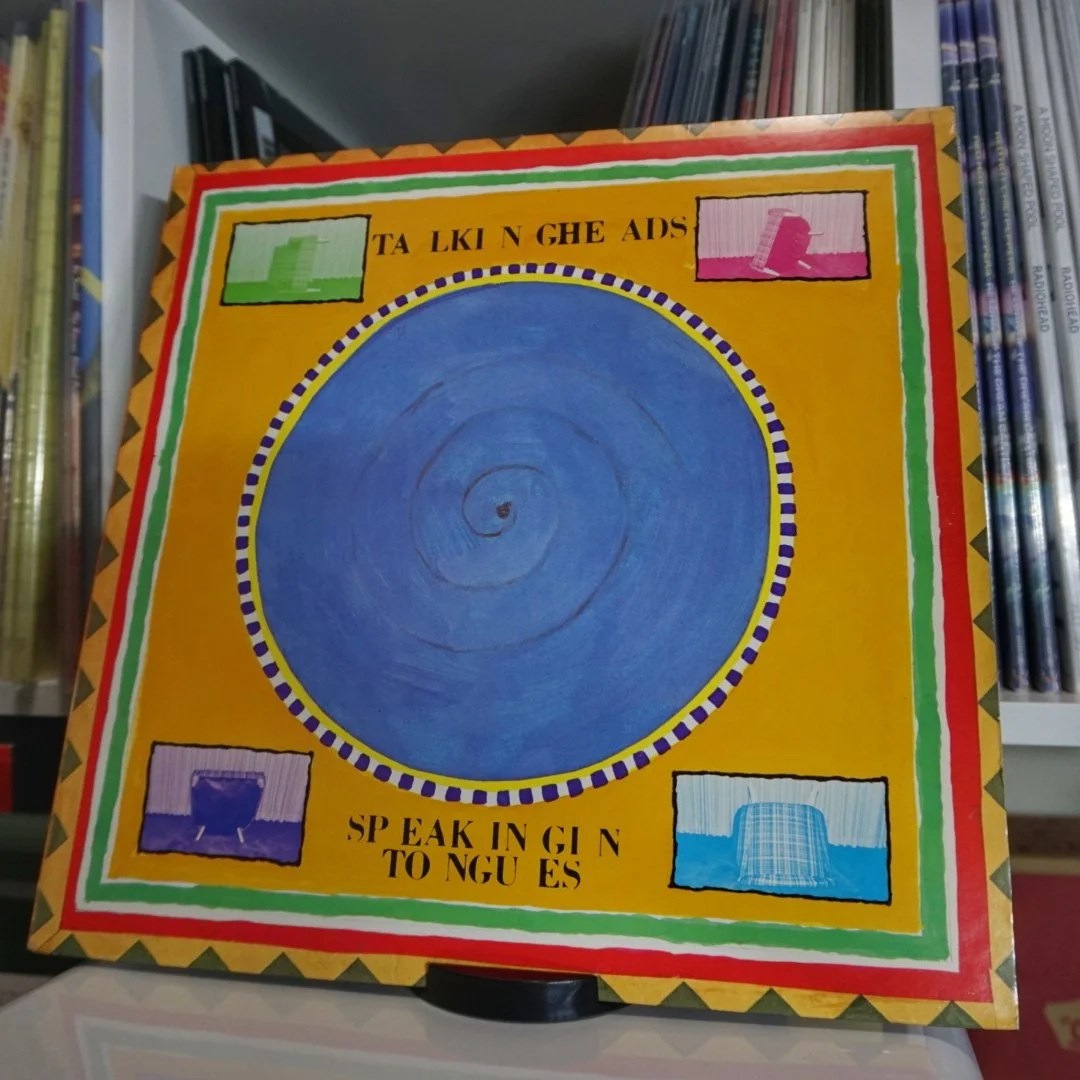
1. Speaking in Tongues (1983)
Three years later saw what’s regarded as the bands’ magnum opus. While this did not feature Eno behind the desk, Speaking in Tongues still comes equipped with some of the best melodies and some of the darnedest funkiest grooves they’ve ever laid down to tape. To many, this is the universal sound of Talking Heads. An album almost hurt by its own success, it sees the band formally settled in to their sound, post-experimentation phase. Awkwardly infectious works litter the album with “Girlfriend Is Better” and “I Get Wild/Wild Gravity” as firm favourites. An album shifting in personalities, feel and texture, this is a fully-fledged work crafted from experts in their field. A mighty gravitas in space over sound, Speaking in Tongues is an album I can happily reside in. This must be the place, after all.
The margins for both records here are fine. If you are an experimental enthusiast for the bold Remain in Light or prefer the more subtle tones in the funky flourishing of Speaking in Tongues, it’s ultimately a toss-up which ends out on top. One thing we can agree on is that both are masterpieces in their own right.
Special Mention: Stop Making Sense Live (1984)
Our special mention has to go to the ’84 Stop Making Sense Live album. Over the course of three nights at Hollywood’s Pantages Theatre in December 1983, a live performance of the band Talking Heads was shot. Little did they know that it would go on to be one of the most ground-breaking concert films recorded. The now-classic showing, collaborated with director Jonathan Demme, sees the band perform some of their most memorable songs. From the buzzing swathes of Burning Down the House to the iconic Life During Wartime dance (not to mention that big suit!), the concert will forever go down as a truly euphoric experience.


Leave a Reply